Penny universities: the coffeehouse as a place for ideas
Mira Okafor6 min readNovember 2, 2026
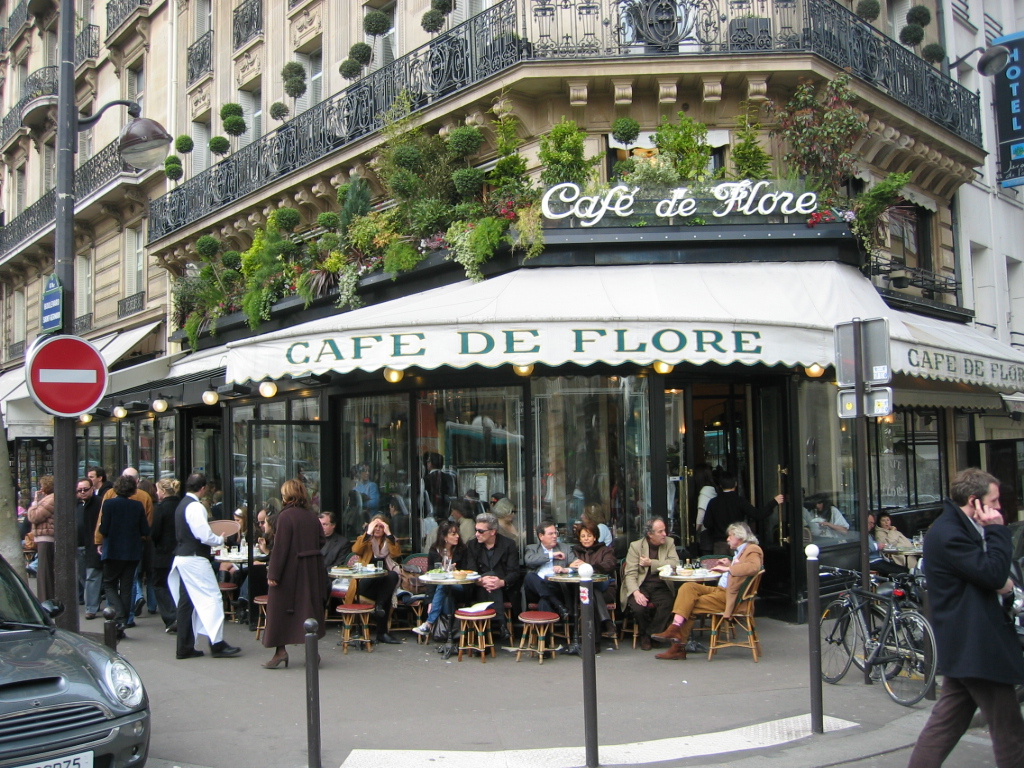
A coffeehouse, coffee shop, or café, is an establishment that serves various types of coffee drinks like espresso, latte, americano, and cappuccino, as well as other beverages. An espresso bar specializes in serving…
A coffeehouse, coffee shop, or café, is an establishment that serves various types of coffee drinks like espresso, latte, americano, and cappuccino, as well as other beverages. An espresso bar specializes in serving espresso and espresso-based drinks. Some coffeehouses may serve iced coffee among other cold drinks, as well as non-caffeinated drinks. A coffeehouse may also serve food, such as light snacks, sandwiches, muffins, cakes, breads, pastries, or doughnuts. Many doughnut shops in Canada and the US serve coffee to accompany doughnuts, so these can also be classified as coffee shops, although doughnut shops tend to be more casual and serve cheaper fare (suiting take-out and drive-through, popular in those countries). In continental Europe, some cafés even serve alcoholic drinks, and in West Asia, coffeehouses may offer a flavored tobacco smoked through a hookah, called shisha in most varieties of Arabic or nargile in Levantine Arabic, Greek, and Turkish.
While café may mean a coffeehouse, it tends to have a different meaning in Britain: a diner or "greasy spoon"; it is also used for a teahouse or other casual eating and drinking place. A coffeehouse may resemble a bar or restaurant, but differs from a cafeteria (a canteen, a restaurant without table service). Coffeehouse operation ranges from management of an independent venue by its owner to franchises of a large multinational corporation.
From a cultural standpoint, a coffeehouse largely serves as a center of social interaction: it provides patrons with a place to meet, talk, read, write, entertain one another, or pass the time, whether individually or in small groups. A coffeehouse can serve as an informal social club for its regular members. From as early as the 1950s Beatnik era and the 1960s folk music scene, coffeehouses have hosted singer–songwriter performances, typically in the evening. The digital age saw the rise of the Internet café along similar principles.
Etymology
The Arabic word qahwa (قهوة) is the origin of the Italian caffè (first attested as caveé in Venice in 1570), from which the English coffee and French café both derive. The Arabic term originally meant a type of wine, but after the wine ban by Islam, the name was transferred to coffee, thought to have a similar rousing effect. European knowledge of coffee (the plant, its seeds, and the drink made from the seeds) came through European contact with Turkey, likely via Venetian–Ottoman trade relations.
Café (French: [kafe] ) is the French word for both coffee and coffeehouse; it was adopted (as /ˈkæfeɪ/) by English-speaking countries in the late 19th century. The Italian spelling, caffè, is also sometimes used in English. In Southern England, especially around London in the 1950s, the French pronunciation was often facetiously altered to and spelt caff.
The English word café to describe a place that serves coffee and snacks (rather than the drink itself) is derived from the French café. The first café in France is believed to have opened in 1660. Meanwhile, the first café in Europe is believed to have been opened in Belgrade, Ottoman Serbia in 1522 as a Kafana (Serbian coffeehouse).
The translingual word root /kafe/ appears in many European languages with various naturalized spellings, including Portuguese and French (café); German (Kaffeehaus or Café); Swedish (kafé or fik); Finnish (kahvila); Spanish (cafetería); Italian (caffè or caffetteria); Polish (kawa); Serbian (кафа / kafa); Ukrainian (кава (kava)); Turkish (kahvehane).
Early history
Early forms of the beverage now known as coffee were consumed in Yemen, where Sufi orders used qahwa to maintain wakefulness during nighttime dhikr recitations. This early coffee-based beverage was named after the port city of Mokha, from which coffee beans were first exported to the other parts of the Arab world. Yemen was once one of the world's major producers and exporters, with "Mocha" coffee. Yemeni traders played a crucial role in spreading both the beverage and its associated rituals, contributing to its growing popularity across the Islamic world.
In the 15th century, coffee cultivation and consumption began in Yemen, where merchants transformed it into a lucrative and commercial product. The beans, often sourced from the Ethiopian Highlands, were roasted, ground, and brewed in a method that closely resembles modern coffee preparation. By the early 16th century, coffee spread northward to Mecca, Cairo, and Damascus, where coffeehouses — known as maqāhī (مقاهي) became popular meeting places.
Ottoman Empire
The first coffeehouses appeared in Damascus. These coffeehouses also made their way to Mecca, in the Arabian Peninsula in the 15th century, then spread to the Ottoman Empire's capital of Istanbul, when two Arab merchants, Hakem of Aleppo and Shems of Damascus, opened the first coffeehouse in the Tahtakale district in the 16th century and to Baghdad.
Coffeehouses became popular meeting places where people gathered to drink coffee, have conversations, play board games such as chess and backgammon, listen to stories and music, and discuss news and politics. They became known as "schools of wisdom" for the type of clientele they attracted, and their free and frank discourse.
Coffeehouses in Mecca became a concern of imams, who viewed them as places for political gatherings and drinking, leading to bans between 1512 and 1524. However, these bans could not be maintained, as coffee became ingrained in daily ritual and culture among Arabs and neighboring peoples. The Ottoman chronicler İbrahim Peçevi reports in his writings (1642–49) about the opening of the first coffeehouse (kiva han) in Constantinople:
Until the year 962 [1555], in the High, God-Guarded city of Constantinople, as well as in Ottoman lands generally, coffee and coffeehouses did not exist. About that year, a fellow called Hakam from Aleppo and a wag called Shams from Damascus came to the city; they each opened a large shop in the district called Tahtakale, and began to purvey coffee.
Iran
The 17th-century French traveler and writer Jean Chardin gave a lively description of the Persian coffeehouse (qahveh khaneh in Persian):
People engage in conversation, for it is there that news is communicated and where those interested in politics criticize the government in all freedom and without being fearful, since the government does not heed what the people say. Innocent games ... resembling checkers, hopscotch, and chess, are played. In addition, mollas, dervishes, and poets take turns telling stories in verse or in prose. The narrations by the mollas and the dervishes are moral lessons, like our sermons, but it is not considered scandalous not to pay attention to them. No one is forced to give up his game or his conversation because of it. A molla will stand up in the middle, or at one end of the qahveh-khaneh, and begin to preach in a loud voice, or a dervish enters all of a sudden, and chastises the assembled on the vanity of the world and its material goods. It often happens that two or three people talk at the same time, one on one side, the other on the opposite, and sometimes one will be a preacher and the other a storyteller.
Mughal Empire
Consumption of Turkish coffee is attested to in the Mughal court, and appears in Mughal art from the 16th century, as is the existence of qahwakhanas (coffeehouses) in Shahjahanabad (Old Delhi).
Adapted from the Wikipedia article on Coffeehouse, available under CC BY-SA 4.0.
External Resources
Written by
MO
Mira Okafor
cafeshistorysocial
Comments